
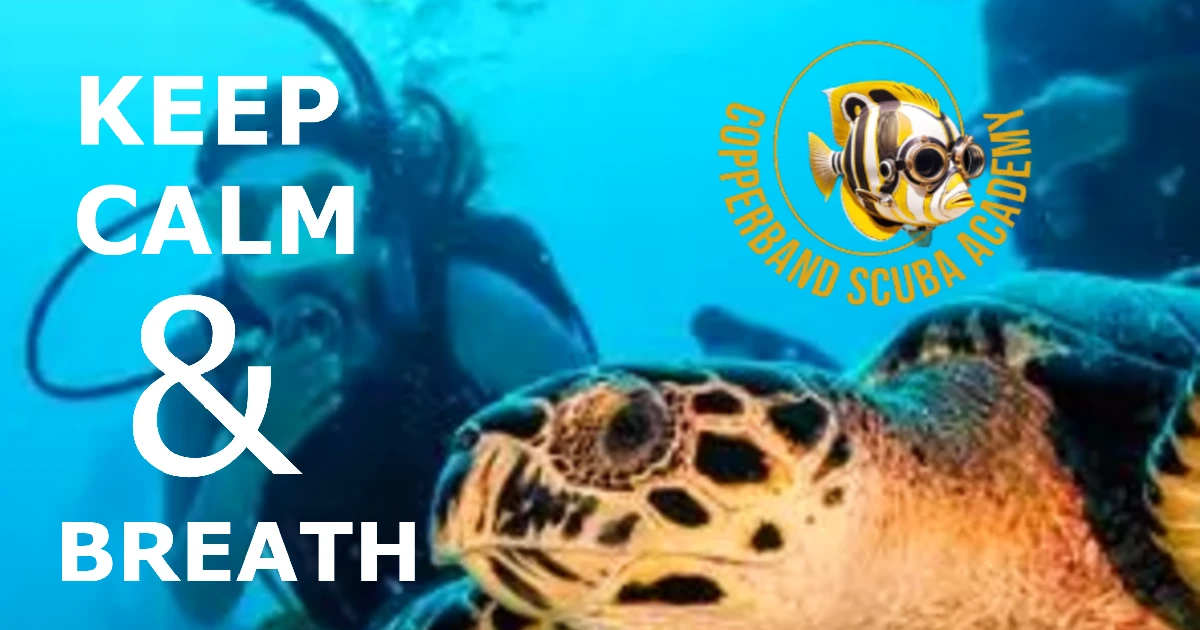
Mastering Your Breath: Breathing Techniques While Scuba Diving to Reduce Air Consumption
When you’re underwater, every breath counts — quite literally. Efficient air consumption is one of the hallmarks of an experienced diver, and it doesn’t just prolong your dive time. It also increases safety, reduces fatigue, and enhances overall control and enjoyment. Whether you’re new to the underwater world or seeking to refine your technique, learning proper breathing techniques while scuba diving is a game-changer.
In this guide, we’ll explore the science of breathing underwater, proven air-saving techniques, and practical tips to help you dive longer and smoother.
🧠 The Science Behind Breathing Underwater
Breathing on land feels effortless, but underwater, the mechanics shift. Here’s why:
⚗️ Pressure Increases with Depth
- At 10 meters (33 feet), you’re under 2 atmospheres of pressure — double that at the surface.
- Your lungs must work harder to expand, and you inhale denser air.
- The deeper you go, the faster you consume air, since every breath uses more molecules of gas.
🫁 Tidal Volume and Respiratory Rate
- Tidal Volume is the amount of air inhaled/exhaled per breath.
- Shallow, fast breaths waste air by increasing dead air space (unused air in your windpipe).
- Slow, deep breaths ensure efficient gas exchange and reduce consumption.
🧘♂️ Top Breathing Techniques to Reduce Air Consumption
1. Deep, Diaphragmatic Breathing
Also known as belly breathing, this technique draws air deep into the lungs for maximum oxygen exchange.
How to do it:
- Inhale through your nose (or regulator) slowly.
- Allow your stomach to rise as your diaphragm expands.
- Exhale gradually and completely.
Benefits:
- Reduces CO₂ buildup
- Promotes relaxation
- Enhances lung efficiency
2. Breathing in a Rhythm (Box Breathing)
A structured rhythm calms the nervous system and optimizes oxygen use.
Try this pattern:
- Inhale for 4 seconds
- Hold for 4 seconds
- Exhale for 4–6 seconds
- Pause briefly before repeating
This reduces stress, maintains focus, and slows your breathing rate.
3. Minimize Unnecessary Movement
Your body needs more oxygen when it’s working hard. Streamlining your movement = breathing less.
Tips:
- Use your fins, not your arms
- Maintain horizontal trim
- Avoid fighting buoyancy or over-correcting
4. Perfect Your Buoyancy Control
Poor buoyancy leads to overexertion — and overexertion leads to gulping air.
Training Tip:
- Do a buoyancy check at the surface with an empty BCD
- Hover motionlessly at 5 meters with minimal finning
When you’re neutrally buoyant, you’re relaxed — and relaxed divers breathe better.
5. Slow Down
Pacing is everything. Fast swimming or anxious movement drives up your respiratory rate.
Practice:
- Move slowly and deliberately
- Focus on your breath and surroundings
- Plan your dive to avoid rushing
📊 Comparison Table: Inefficient vs. Efficient Breathing Underwater
| Breathing Behavior | Inefficient Diver | Efficient Diver |
| Breathing Style | Shallow, rapid breaths | Deep, slow diaphragmatic breaths |
| Movement | Constant finning, flailing arms | Smooth, streamlined finning |
| Buoyancy Control | Frequent inflating/deflating BCD | Stable hover, minor adjustments |
| Mental State | Anxious, distracted | Calm, focused, aware |
| Air Consumption | High | Low |
🧪 Understanding Gas Exchange and CO₂ Control
Why CO₂ Is the Real Culprit
Many divers assume oxygen is what they need to conserve, but in reality:
- The urge to breathe is triggered by CO₂ buildup, not lack of oxygen.
- Holding your breath or skipping breaths allows CO₂ to accumulate, increasing anxiety and breathing rate.
Solution:
- Maintain consistent, full exhalations
- Never hold your breath underwater (per basic scuba safety!)
🧩 Bonus Tips to Reduce Air Consumption
- Stay Warm: Cold water triggers faster breathing. A good wetsuit helps.
- Practice Yoga or Meditation: Both disciplines enhance breath control and body awareness.
- Hydrate Well: Dehydration affects breathing and can contribute to fatigue.
- Dive More Often: Experience leads to confidence and efficiency.
📌 Quick Checklist: 10 Ways to Breathe Better While Diving
✅ Deep belly breaths
✅ Long, controlled exhalations
✅ Maintain neutral buoyancy
✅ Streamlined gear configuration
✅ Fin with straight legs, not knees
✅ Avoid over-inflating BCD
✅ Minimize depth changes
✅ Dive slowly and calmly
✅ Check SPG regularly to track air
✅ Log your dives and reflect on breathing
🌊Breathing is Your Superpower Underwater
Learning proper breathing techniques while scuba diving isn’t just about saving air. It’s about becoming one with the ocean — calm, mindful, and in control. With time and awareness, you’ll find that your dives last longer, feel smoother, and become even more enjoyable.
Whether you’re exploring coral gardens or gliding over wrecks in Pattaya, every breath should be purposeful. Train your lungs, sharpen your awareness, and dive smarter — not harder.
🧭 Want to Practice These Skills in the Real World?
Join a us at Copperband Scuba Academy when you next go Scuba Diving in Pattaya and let us teach you buoyancy and breathing mastery. From calm reef dives to wreck explorations, Pattaya’s waters are perfect for practicing efficient underwater breathing.