
Better Buoyancy: What a PPB Course Can Help You Practise
Learn what supervised buoyancy training covers and how it differs from simply adding more fun dives.
By Copperband Scuba Academy

On this page
Choose a specific skill to improve
Tell your instructor whether your main concern is weighting, position, hovering or control near the reef. The Peak Performance Buoyancy course gives those skills focused attention, with exercises and feedback rather than leaving improvement to chance during a sightseeing dive.
Practise control that respects the reef
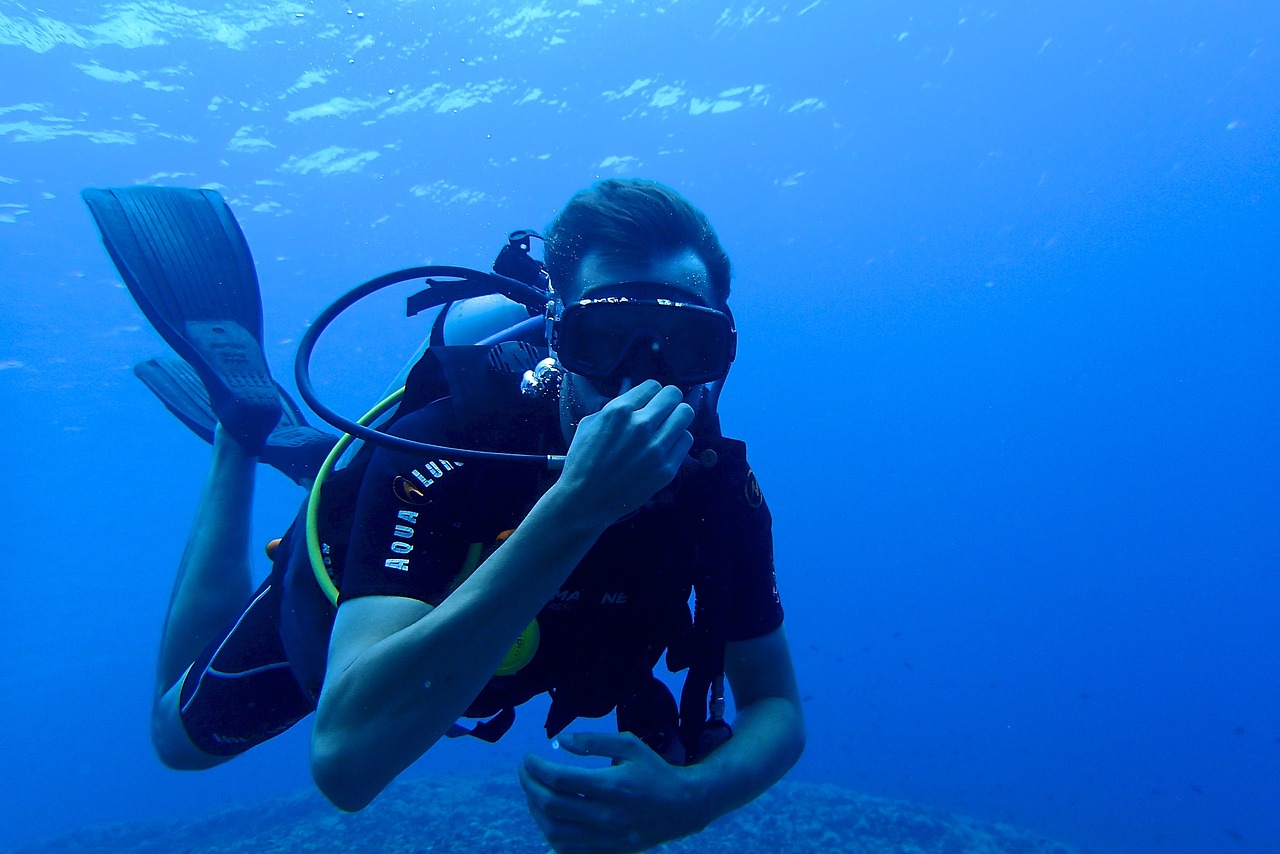
A well-controlled position helps you avoid accidental contact with the bottom or marine life. Finning and awareness matter too. Follow the instructor’s exercises and keep your buddy and the dive plan in view; do not turn photography into a reason to touch or move animals.
Plan the current Copperband programme
The advertised programme has two training dives over one day at THB 7,500. It includes instruction, equipment, boat fees, transfers and certification on successful completion. Send your existing qualification before arranging the course.
Notice the problem before choosing the solution
Buoyancy difficulties can show up in different ways: an uncomfortable descent, repeated contact with the bottom, difficulty hovering or feeling as if you are always swimming to maintain position. Describe the specific problem to your instructor rather than only saying you need better buoyancy.
Weighting, equipment configuration, body position and movement interact. A change that helps one diver may not suit another, and equipment borrowed on holiday can feel different from familiar kit. The course uses observation and supervised exercises to understand your setup rather than prescribe one setting for everyone.
A useful improvement is consistency. If you can hold a comfortable position without continually fighting the equipment, more attention is available for the buddy team, instruments and surroundings. That can benefit ordinary reef diving as much as a specialist activity.
Why control matters to the reef and to your next course
A diver who stays clear of the bottom is less likely to disturb sediment or make accidental contact with marine life. Fin awareness matters as much as the position of your body. Observing a small creature should not require resting on the reef or moving the habitat to get a better view.
The same control supports tasks such as navigation and photography. If maintaining position already uses most of your attention, adding a camera or an unfamiliar wreck environment can make the dive harder. Discuss the foundations first rather than assume extra equipment will improve the experience.
PADI Peak Performance Buoyancy gives you a focused learning setting with feedback. It is not a guarantee of instant perfection after one exercise. Practise what you learn on suitable guided dives and revisit the points that remain difficult with your instructor.
Plan your next step
Read the relevant trip or course page for the current price, inclusions and booking arrangements. Contact the Copperband team with your experience and preferred dates before deciding on training or a specialist trip.
Explore Peak Performance BuoyancyFurther reading: PADI’s basic scuba principles and PADI’s introduction to diving physics.
A common question
Is more weight always the answer to a difficult descent?
No. Weighting interacts with equipment, position and control. Ask the instructor to observe the actual problem and practise the appropriate adjustments under supervision rather than copy another diver’s setup.
Further reading from official resources
These resources explain the training or diving-health topics discussed here. Your instructor checks the requirements and arrangements for your programme.