Scuba Equipment for Beginners: What Each Part Does
Get familiar with the names of common scuba equipment before your instructor explains how to use it.
By Copperband Scuba Academy
On this page
Breathing gas and instruments
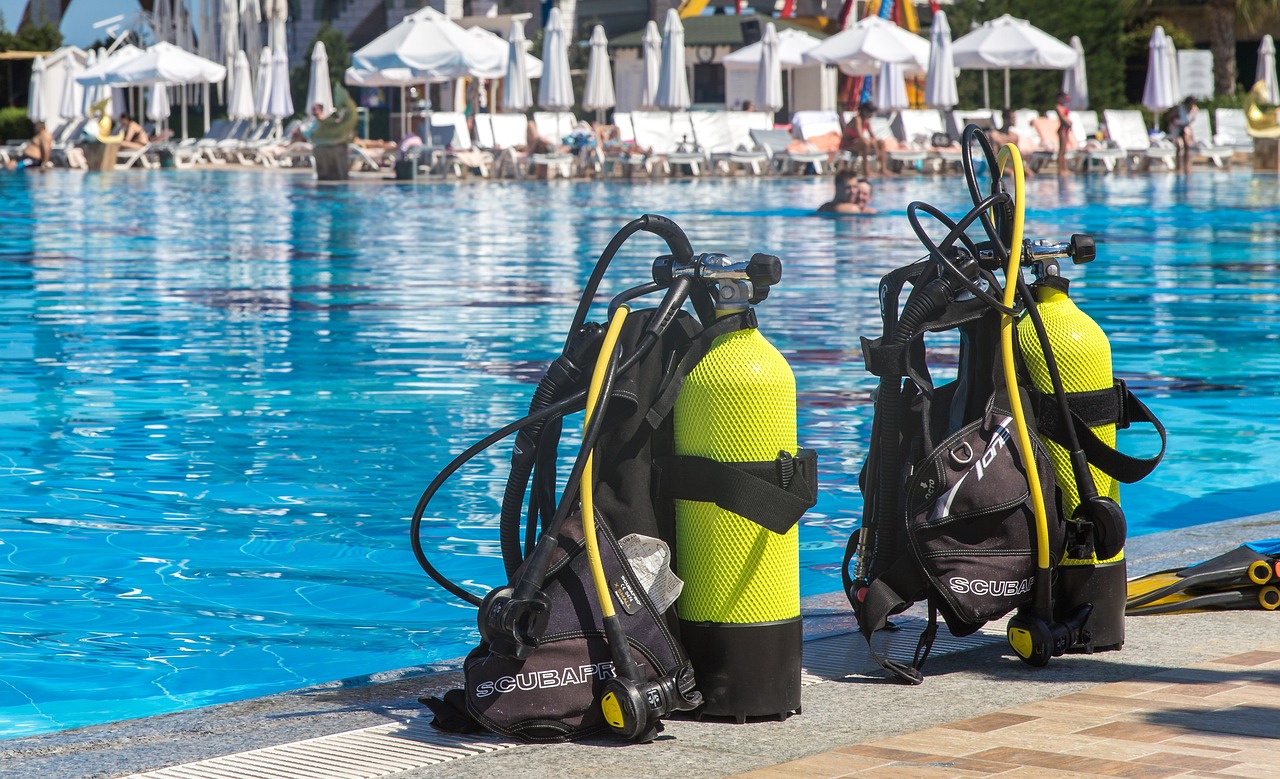
A scuba cylinder stores breathing gas, and a regulator delivers it for breathing. A pressure gauge helps monitor the supply. Instruments such as a dive computer provide information used in the agreed dive plan. Learn the controls and checks with your instructor rather than experimenting independently.
Buoyancy and personal equipment
The buoyancy device helps you control position in the water; weighting is matched to the diver and equipment. A mask, fins and suitable exposure protection have different roles in comfort and movement. Tell the team your sizes and any fit concerns before the trip.
Learn the checks as well as the names
Knowing what an item is called does not replace equipment assembly, buddy checks and skill practice. Open Water training develops these skills. For a first introduction, your instructor explains the equipment and supervises the experience. Check the booked product’s inclusions before buying your own kit.
Understand the equipment as a connected system
The cylinder stores the breathing gas and the regulator supplies it for breathing at the surrounding pressure. The pressure gauge tells you about the gas supply; depth information and a dive computer support monitoring the dive. Each gives information or performs a task that a diver should understand rather than simply recognise by appearance.
The buoyancy compensator, weights and exposure protection affect balance and comfort in the water. A mask helps you see and fins help you move, but fit and familiarity influence how comfortable the whole setup feels. Borrowed equipment should be checked and explained before the dive.
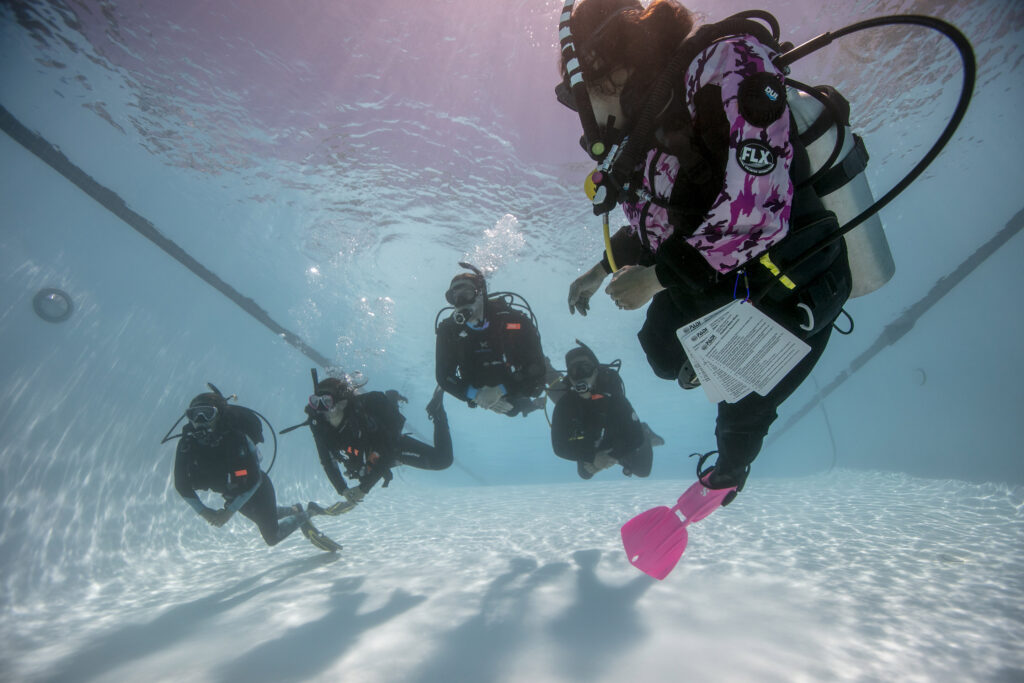
Your instructor introduces the equipment in practical training and explains the checks relevant to the programme. Knowing a component’s name is not the same as being ready to assemble, modify or repair it independently. Ask when you are unsure which control or instrument you are looking at.
Hire equipment, personal equipment and the first course
Using hire equipment can let a beginner learn before deciding what to purchase. Give the team the sizing information requested and report a fit problem before entering the water. Equipment that looks similar to what you used previously may have different controls or feel different when worn.
If you bring your own kit, tell the team what you plan to use and make sure it is maintained appropriately. A holiday morning is not a good time to discover an unresolved servicing issue. Technical maintenance belongs with qualified support for the equipment concerned.
For a first certification, focus on understanding the equipment used during the course. Personal purchasing decisions can follow a discussion of fit, travel needs and the kind of diving you expect to do. More accessories do not automatically make a beginner’s dive easier to manage.
Plan your next step
Read the relevant trip or course page for the current price, inclusions and booking arrangements. Contact the Copperband team with your experience and preferred dates before deciding on training or a specialist trip.
Explore Open WaterFurther reading: PADI’s basic scuba principles and PADI’s introduction to diving physics.
A common question
Should I buy a full equipment set before my first course?
Ask the team about fit and course equipment first. Learning with appropriate equipment can help you understand your needs before purchasing. More accessories do not automatically make beginner diving easier.
Further reading from official resources
These resources explain the training or diving-health topics discussed here. Your instructor checks the requirements and arrangements for your programme.