
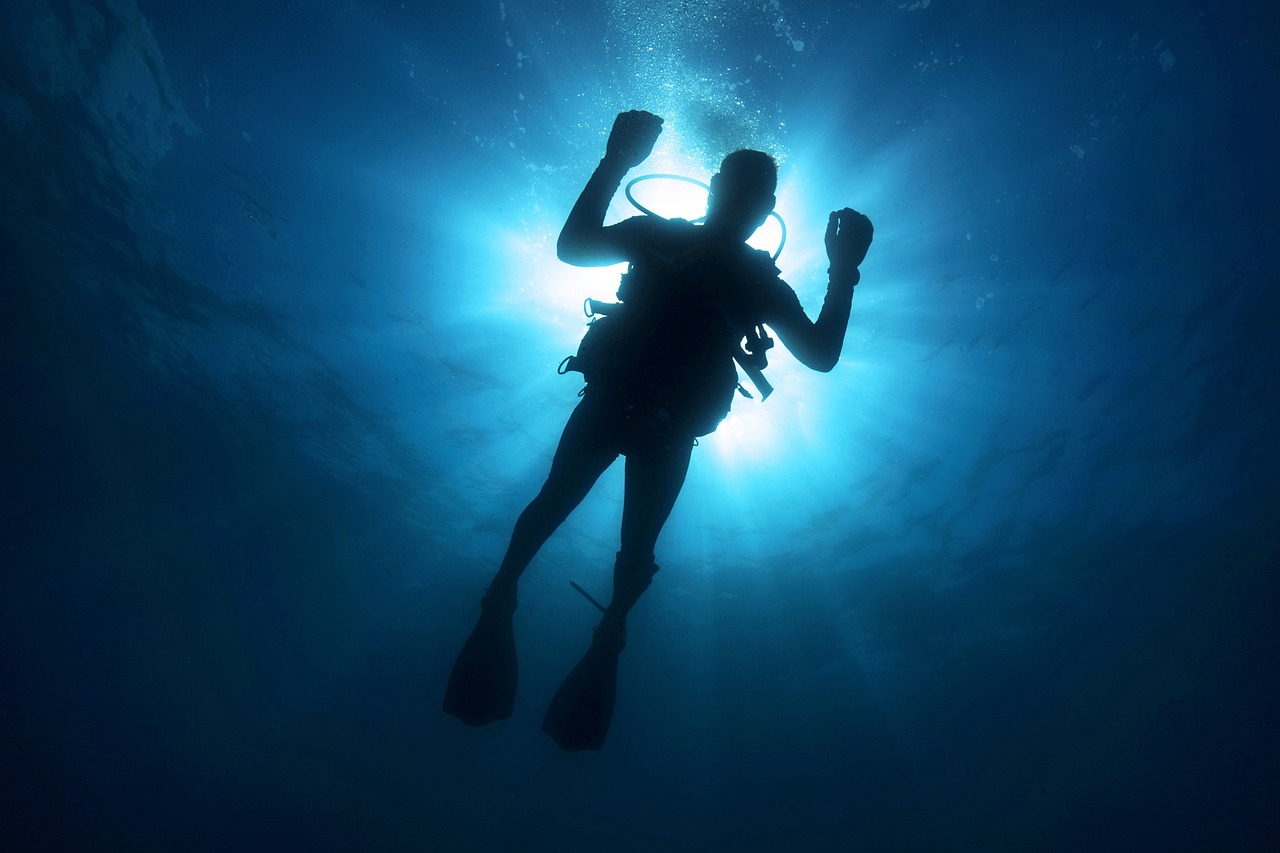
Pattaya, nestled on Thailand’s eastern Gulf coast, is often associated with vibrant nightlife and bustling beaches. But beneath its turquoise waters lies a world of serenity, mystery, and scientific wonder. Scuba diving in Pattaya is not just a recreational activity—it’s a gateway to exploring marine ecosystems, sunken relics, and the very laws of physics that govern our underwater existence.
Whether you’re a curious beginner or a seasoned diver, Pattaya offers a unique blend of accessible dive sites, rich marine biodiversity, and a fascinating intersection of science and sport. Let’s plunge into the depths—literally and intellectually.
🐠 Why Pattaya Is a Diver’s Dream
📍 Location & Accessibility
- Just 2 hours from Bangkok by car, Pattaya is one of the most accessible dive destinations in Thailand.
- The city is well-connected with international airports, making it ideal for short getaways or extended dive holidays.
🌤️ Year-Round Diving Conditions
- Water temperature: 27–30°C (80–86°F)
- Visibility: 10–20 meters depending on season and site
- Best season: November to April for optimal visibility and calm seas
🐟 Marine Life Highlights
- Clownfish, angelfish, lionfish, moray eels
- Sea turtles, stingrays, and occasional whale sharks
- Vibrant coral gardens and artificial reefs
- Octopus, Cuttle Fish
- Bamboo Sharks and the rare Black tip shark on occasion
- Varity of Macro from Nudibranch, Sea Hoses, Spider and Decorator Crabs, shrimps
🚢 Wreck Diving Wonders
- HTMS Khram: A former US Navy ship sunk in 2003, now a thriving artificial reef.
- Hardeep Wreck: A WWII-era cargo ship with fascinating history and challenging currents.
- HTMS Kut: A newer wreck offering excellent penetration opportunities for advanced divers.
🧠 The Science of Scuba: Physics Beneath the Surface
Understanding the physical laws that govern diving isn’t just academic—it’s essential for safety, efficiency, and enjoyment. Let’s explore three foundational principles: Archimedes’, Newton’s, and Boyle’s Laws.
⚖️ Archimedes’ Principle: The Buoyancy Balancer
Archimedes’ Principle explains why objects float or sink in water. It’s the reason divers wear buoyancy control devices (BCDs) and weights.
“An object submerged in a fluid is buoyed up by a force equal to the weight of the fluid it displaces.”
| Component | Role in Buoyancy | Diver Impact |
| BCD (Buoyancy Control Device) | Adjusts volume of displaced water | Controls ascent, descent, hovering |
| Lead Weights | Adds mass to counteract buoyancy | Helps achieve neutral buoyancy |
| Wetsuit Thickness | Traps air, increases displacement | Requires more weight to compensate |
| Tank Air Volume | Air depletion reduces weight over time | Affects buoyancy during the dive |
Pro Tip: Mastering buoyancy is the key to effortless diving and reef preservation.
🧲 Newton’s Laws: Motion in the Deep
Newton’s three laws of motion apply just as much underwater as they do on land—though water resistance and drag make things more interesting.
| Newton’s Law | Underwater Application | Example |
| First Law (Inertia) | A diver remains still unless acted upon | Hovering mid-water |
| Second Law (F=ma) | Force from fins propels diver forward | Efficient finning technique |
| Third Law | Every action has an equal and opposite reaction | Kicking backward moves diver forward |
Pro Tip: Streamlining your gear and body position reduces drag and conserves energy.
🫧 Boyle’s Law: Pressure vs. Volume
Boyle’s Law is crucial for understanding how pressure affects air spaces in your body and equipment.
“At constant temperature, the pressure of a gas is inversely proportional to its volume.”
| Depth (meters) | Pressure (atm) | Air Volume (relative) | Key Considerations |
| 0 | 1 | 1.0 | Normal breathing |
| 10 | 2 | 0.5 | Air compresses—equalize ears |
| 20 | 3 | 0.33 | Mask squeeze risk |
| 30 | 4 | 0.25 | Air consumption increases |
Pro Tip: Never hold your breath while ascending—this can cause lung overexpansion injuries.
🏨 Where to Stay in Pattaya: Dive-Friendly Accommodations
Whether you’re looking for luxury, convenience, or budget-friendly options, Pattaya has a wide range of accommodations that cater to divers.
| Hotel Name | Type | Highlights | Ideal For |
| Hilton Pattaya | Luxury | Rooftop bar, ocean views, spa | Couples, upscale travelers |
| Cape Dara Resort | Boutique | Private beach, infinity pool | Romantic getaways |
| Arbour Hotel & Residence | Modern | Rooftop pool, kitchenette rooms | Long stays, solo travelers |
| The Monttra Pattaya | Tranquil | All-suite, lush gardens | Peace-seekers, nature lovers |
| Avani Pattaya Resort | Central | Near dive shops, tropical gardens | Convenience-focused divers |
| Centara Grand Mirage | Family | Water park, themed rooms | Families with kids |
| Asia Pattaya Hotel | Budget | Golf course, spacious rooms | Value-conscious travelers |
| Pullman Pattaya Hotel G | Upscale | Private beach, multiple bars | Luxury dive holidays |
Pro Tip: Choose your hotel and let Copperband Scuba Academy know where it is and we will collect you before your dives and drop you back afterwards.
🧳Copperband Scuba Academy’s Courses
We offer many courses, infact the full range of PADI Courses, however here are some of the most popular courses while Scuba Diving in Pattaya:
| Course Name | Duration | Certification Agency | Ideal For |
| PADI Discover Scuba Diving | 1 day | PADI | First-time divers |
| PADI Open Water Diver | 3–4 days | PADI | Beginners |
| PADI Advanced Open Water | 2–3 days | PADI | Certified divers |
| PADI Rescue Diver | 3–4 days | PADI | Safety-focused divers |
| PADI Wreck Diver Specialty | 2 days | PADI | Adventure seekers |
🧭 Dive Sites Around Pattaya
🏝️ Near Islands (Koh Sak, Koh Lan, Koh Krok)
- Shallow reefs, ideal for beginners and fun for experienced divers alike
- Coral gardens and sandy bottoms
- Easy access from Pattaya Beach
🏝️ Far Islands (Koh Rin, Koh Man Wichai, Koh Phai)
- Deeper dives, better visibility
- Wrecks and vibrant marine life
- Recommended for certified divers
Copperband Scuba Academy are the only dive centre in Pattata that regularly sails to the far islands at least once a week!
| Dive Site | Depth Range | Difficulty | Highlights |
| Koh Rin | 5–25m | Intermediate | Coral walls, stingrays |
| HTMS Khram Wreck | 15–30m | Advanced | Shipwreck, schooling fish |
| Koh Sak | 3–12m | Beginner | Coral gardens, calm conditions |
| Hardeep Wreck | 26–30m | Advanced | WWII wreck, strong currents |
Copperband Scuba Academy offers Scuba Diving in Pattaya but we also have a keen interest in the history and preservation of our beautiful Ship Wrecks in Pattaya’s waters. Here is some insight to those wrecks and their history.
⚓ HTMS Khram: The Legacy of a Warship Turned Reef
📜 Historical Background
- Originally commissioned as USS LSM-469 in 1945, this Landing Ship Medium served in the Pacific during WWII.
- Transferred to the Royal Thai Navy in 1962 and renamed HTMS Khram (L-732).
- Deliberately sunk in 2003 off Koh Phai to create an artificial reef and dive site.
📍 Location & Depth
- Lies 300 meters off Koh Phai, part of Pattaya’s Far Islands.
- Depth: 14m at the mast, 25m at the deck, 28–30m at the seabed.
🧭 Dive Profile
| Feature | Description |
| Length | 56 meters |
| Penetration Access | Multiple cutouts for safe swim-throughs |
| Visibility | 8–30 meters depending on season |
| Marine Life | Barracuda swarms, turtles, nudibranchs, scorpionfish |
| Dive Level | Intermediate to Advanced |
🧱 Structural Highlights
- Deck corridors: Wide and open, ideal for wreck specialty training.
- Bow doors: Feature a unique vertical swim-through known as “The Black Hole.”
- Engine room: Spacious and well-lit, great for reel work and hazard awareness.
- Conning tower: Often a resting spot for turtles and macro life.
🐠 Ecology
- Now a thriving artificial reef, the Khram supports soft corals, sea fans, and a diverse fish population.
- Its transformation from warship to marine sanctuary is a model of sustainable diving tourism.
💣 Hardeep Wreck (SS Suddhadib): A WWII Casualty with Depth and Drama
📜 Historical Background
- Originally named SS Suddhadib, built in 1918 in Hong Kong.
- Served as a cargo and passenger ship, later commandeered by the Japanese during WWII.
- Sunk by British RAF bombers on June 1, 1945, near Koh Chuang, after being anchored at Sattahip.
📍 Location & Depth
- Lies between Koh Chuang and Koh Rong Nang, near Samaesan.
- Depth: 19m at the top, 29m at the seabed.
🧭 Dive Profile
| Feature | Description |
| Length | 64–70 meters |
| Orientation | Lies on starboard side |
| Visibility | 10–20 meters (best during slack tides) |
| Marine Life | Whale sharks, marble rays, barracuda, nudibranchs |
| Dive Level | Advanced to Technical |
🧱 Structural Highlights
- Cargo holds: Wide and open, suitable for cautious penetration.
- Engine room: Adorned with soft corals and sea whips.
- Hull side: Feels like a wall dive, great for macro photography.
- Swim-throughs: Spacious and safe for trained wreck divers.
⚠️ Dive Conditions
- Currents: Infamous for strong tidal flows—best dived during slack tide.
- Hazards: Structural decay requires caution; penetration only for certified divers.
🐠 Ecology
- Home to a rich array of marine life, including tuskfish, batfish, sweetlips, and angelfish.
- The wreck’s age and depth make it a magnet for biodiversity and a favorite among underwater photographers.
🚢 HTMS Kut: The Amphibious Assault Ship with Technical Appeal
📜 Historical Background
- Originally USS LSM-333, built in 1944 by the Pullman Company in Chicago.
- Transferred to the Royal Thai Navy in 1962 and renamed HTMS Kut.
- Sunk in 2006 near Koh Sak to commemorate the King of Thailand’s 60th year on the throne.
📍 Location & Depth
- Lies just north of Koh Sak, accessible from Pattaya Bay.
- Depth: 10m at the top, 22m at the deck, 30m at the seabed.
🧭 Dive Profile
| Feature | Description |
| Length | 62 meters |
| Orientation | Upright on sandy bottom |
| Visibility | 5–15 meters |
| Marine Life | Nudibranchs, turtles, barracuda, macro species |
| Dive Level | Beginner to Technical |
🧱 Structural Highlights
- Deck corridors: Run bow to stern, with multiple entry points.
- Engine room: Accessible via vertical cutouts, filled with gauges and pipes.
- Conning tower: Midship structure with hatches and occasional buoy line.
- Mess hall & berths: Penetration-friendly with natural light.
⚠️ Dive Conditions
- Currents: Can be strong—buoy lines help with descent and deco.
- Hazards: Generally safe; cleaned and prepped by Thai Navy.
🐠 Ecology
- Coral growth on hull and deck attracts schooling fish and macro life.
- A favorite for wreck training, tech diving, and marine photography.
🚢 HTMS Mataphon: A WWII Warship Turned Artificial Reef
📜 Historical Background
- Originally built as USS LCT-1260, a Landing Craft Tank, in 1944 in Quincy, Illinois, USA.
- Served in the U.S. Navy during WWII, including operations in the Pacific theater.
- Transferred to the Royal Thai Navy post-war and renamed HTMS Mataphon, serving in coastal logistics and defense.
- Decommissioned in 2008 and scuttled in 2012 near Koh Lan to create an artificial reef and training site for divers.
📍 Location & Depth
- Located off the coast of Koh Lan, one of Pattaya’s Near Islands.
- Depth range:
- 15m at the upper mast
- 18–19m at the deck
- 23m at the sandy seabed
🧭 Dive Profile
| Feature | Description |
| Length | ~36 meters |
| Orientation | Upright on sandy bottom |
| Visibility | 5–15 meters depending on season and tide |
| Marine Life | Seahorses, nudibranchs, lionfish, moray eels |
| Dive Level | Beginner to Intermediate |
| Dive Type | Wreck + Muck Diving |
🧱 Structural Highlights
- Open deck layout: Easy navigation from bow to stern in a single dive.
- Wide corridors: Ideal for wreck training and exploration.
- Distinct bow and stern: Useful for wreck navigation exercises.
- Surrounding cube structures: Known as the “Mataphon Cubes,” added to protect the wreck from currents and now teeming with aquatic life.
🐠 Ecology & Marine Life
- Macro haven: Seahorses often spotted wrapped around sea urchins; nudibranchs thrive in sandy banks.
- Reef fish: Schools of snapper, fusiliers, and butterflyfish.
- Artificial reef success: The wreck and surrounding cubes have become a vibrant habitat for both shallow-water and mid-depth species.
⚠️ Dive Conditions & Tips
| Condition | Recommendation |
| Currents | Mild to moderate; cubes help reduce flow |
| Bottom Time | Longer due to shallower depth |
| Training Use | Excellent for PADI Wreck Diver and Advanced Open Water courses |
| Hazards | Minimal; cleaned and prepped for safe diving |
Pro Tip: Bring a macro lens if you’re into underwater photography—this site is a goldmine for small critters.
🧭 Comparison to Other Pattaya Wrecks
| Wreck Name | Depth Range | Dive Level | Highlights |
| HTMS Khram | 14–30m | Intermediate+ | Large wreck, penetration options |
| Hardeep Wreck | 19–30m | Advanced | WWII history, strong currents |
| HTMS Kut | 10–30m | Beginner+ | Spacious layout, good for training |
| HTMS Mataphon | 15–23m | Beginner+ | Macro life, cube reef structures |
HTMS Mataphon is a perfect blend of history, accessibility, and biodiversity. Whether you’re a new diver looking to explore your first wreck or a seasoned explorer seeking macro treasures, this site offers a relaxed yet rewarding experience. It’s also a great second dive after deeper wrecks like Khram or Hardeep, making it a staple in any Pattaya dive itinerary.
🧭 Wreck Diving Tips for Pattaya
- Certification: Advanced Open Water recommended; Wreck Specialty ideal.
- Gear: Nitrox for extended bottom time; reels and lights for penetration.
- Timing: Dive during slack tides for best visibility and safety.
- Guides: Always dive with experienced instructors familiar with the wreck layout.
These wrecks aren’t just dive sites—they’re underwater museums, ecological sanctuaries, and training grounds for the next generation of divers. Whether you’re gliding through the corridors of HTMS Kut, navigating the currents around Hardeep, or marveling at the marine life on Khram’s deck, Pattaya’s wrecks offer a rare blend of history, challenge, and beauty.
🧘 Safety Tips & Environmental Etiquette
- Always dive with a buddy and follow your dive plan.
- Check your gear thoroughly before each dive.
- Respect marine life—no touching or chasing.
- Avoid kicking up sand or damaging coral.
- Use reef-safe sunscreen and minimize plastic use.
📝 Final Thoughts
Scuba diving in Pattaya is a multi-dimensional experience—equal parts adventure, education, and relaxation. From the thrill of exploring sunken warships to the quiet elegance of coral gardens, every dive is a lesson in nature and physics. Understanding the principles of buoyancy, motion, and pressure not only enhances your safety but deepens your appreciation for the underwater world.
Whether you’re staying in a luxury resort or a cozy boutique hotel, Pattaya welcomes you with open arms—and Copperband Scuba Academy can take you on your next Scuba Diving Experience in Pattaya!